
Cocoa and coffee
As we deepen the understanding of our impacts and dependencies across the four commodities most material to the Group, this analysis is extended to other ingredients which, although less material, are relevant in the fight against deforestation – such as cocoa and coffee. Following reference initiatives, namely SBTi FLAG and CDP, this report now includes our progress regarding these two raw materials.
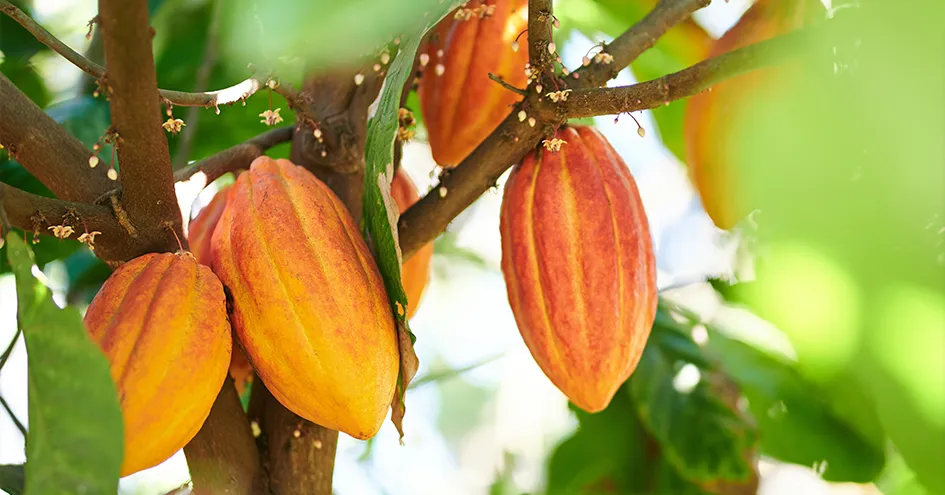
In 2025, we traced 80% (7,874 tonnes) of the cocoa incorporated into our Private Brand and perishable products back to the country of origin. Côte d’Ivoire, Ghana, Cameroon, Colombia, Nigeria and Ecuador were the most representative origins, which is consistent with the global cocoa production structure. Around 14% of our cocoa consumption was certified by Rainforest Alliance, guaranteeing a more sustainable production and contributing to the protection of people, forests and biodiversity. It is important to highlight that, as a food retailer, traceability within this supply chain presents complex challenges, since cocoa is predominantly used as an ingredient in processed products, involving multiple intermediate stages in the value chain.
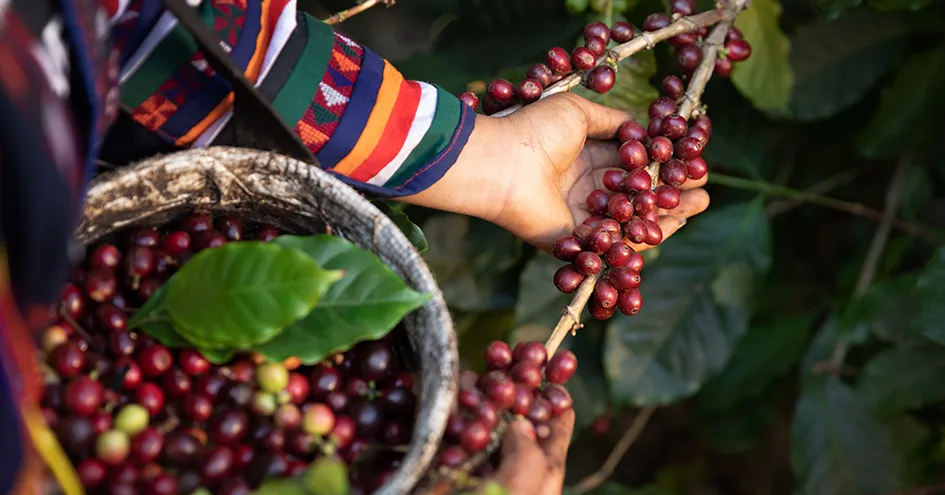
Regarding coffee, 98% (9,353 tonnes) of the volume present in our Private Brand and perishable products was also traced to the country of origin. The most representative origins were Vietnam, Brazil, Ecuador, Colombia and Indonesia. Together, these countries account for more than 90% of the coffee volumes traced.
We are committed to strengthening the reporting of cocoa and coffee and to progressively integrate the same deforestation‑related requirements we apply to the four priority commodities (palm oil, soy, paper/timber and beef).